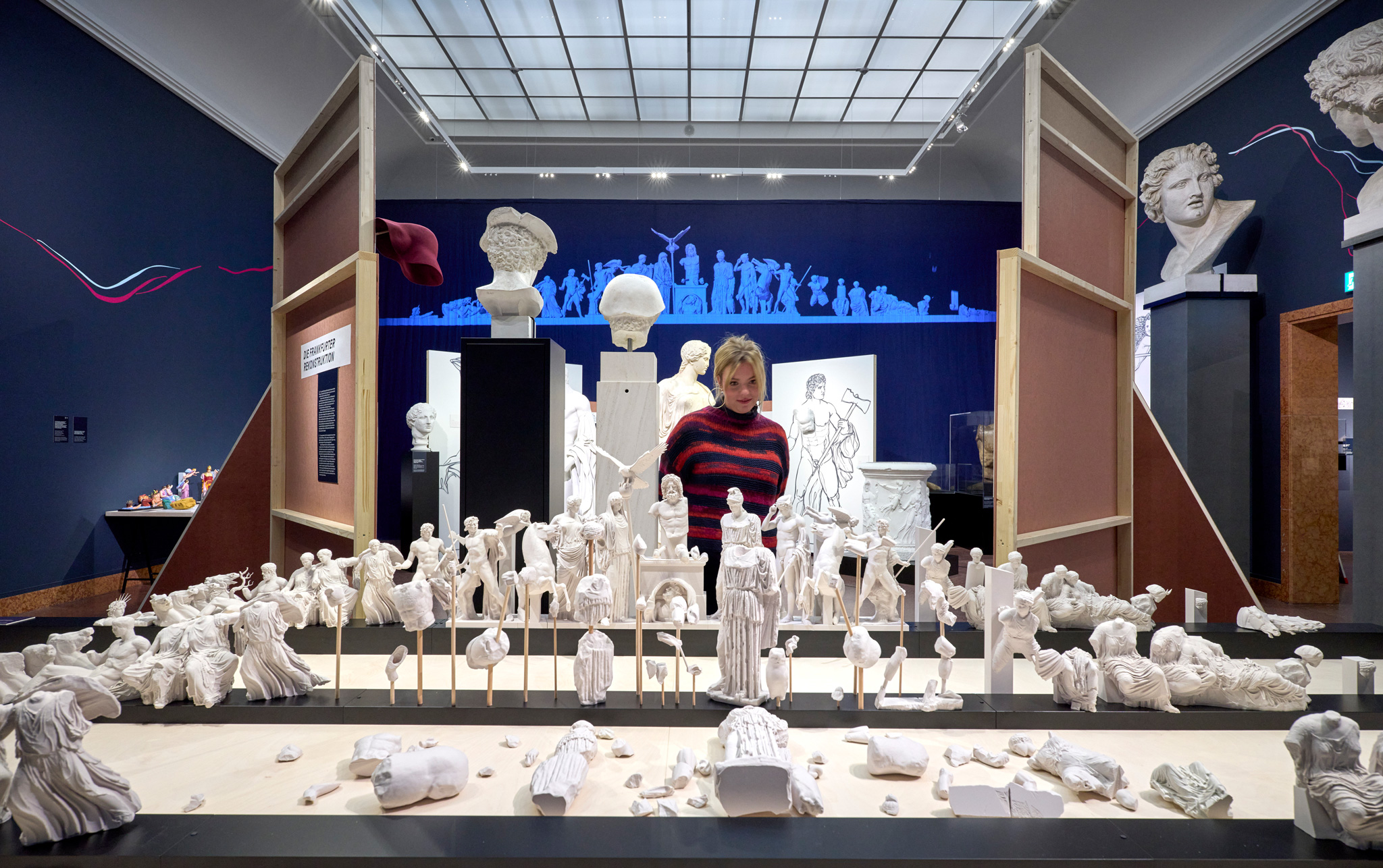
A 2,500-year-old image is taking shape once more: much like a giant three-dimensional puzzle, years of research have finally succeeded in reassembling the fragments of one of the most famous works of antiquity and piecing them together to form a complete picture. The Liebieghaus Skulpturensammlung will be dedicating a comprehensive exhibition to the pediment sculptures of the Parthenon, presenting for the first time an archaeologically sound proposal for the complete reconstruction of the sculptures on the east pediment.
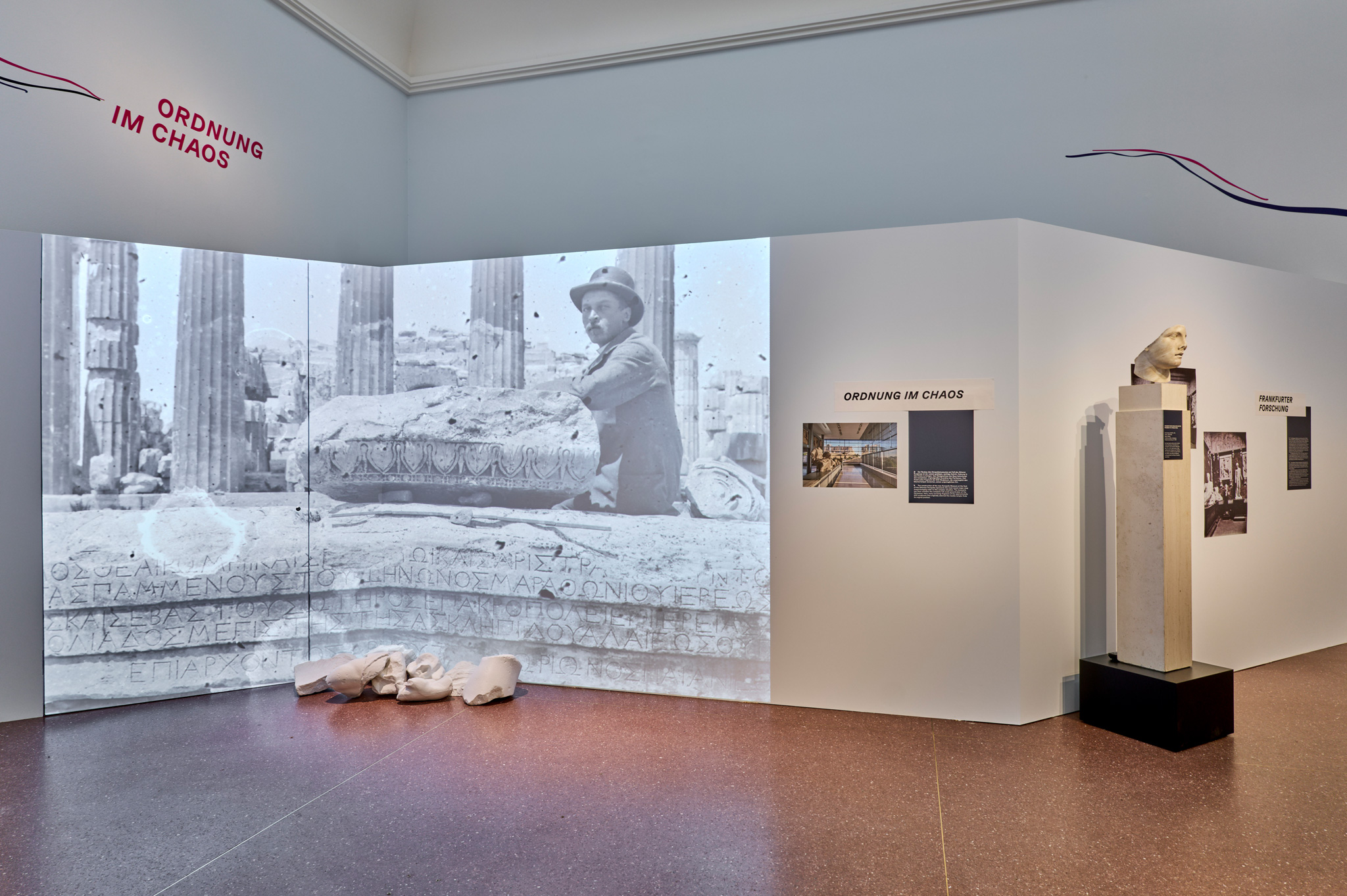
Built in the 5th century BCE as a monumental expression of Athens’ power, the Parthenon featured an eastern pediment depicting the birth of the goddess Athena from the head of Zeus—a cosmological event of profound significance in the ancient world. This guided tour through the exhibition presents a scholarly reconstruction of the eastern pediment. Outstanding loans and nearly 200 years of Parthenon research offer insights into the history of this iconic monument and its rediscovery.
There are many occasions for a visit to the museum. Whether friends, company or family: book an individual guided tour for your group. Please contact us to arrange your group visit—even if you do not wish to book a guided tour.
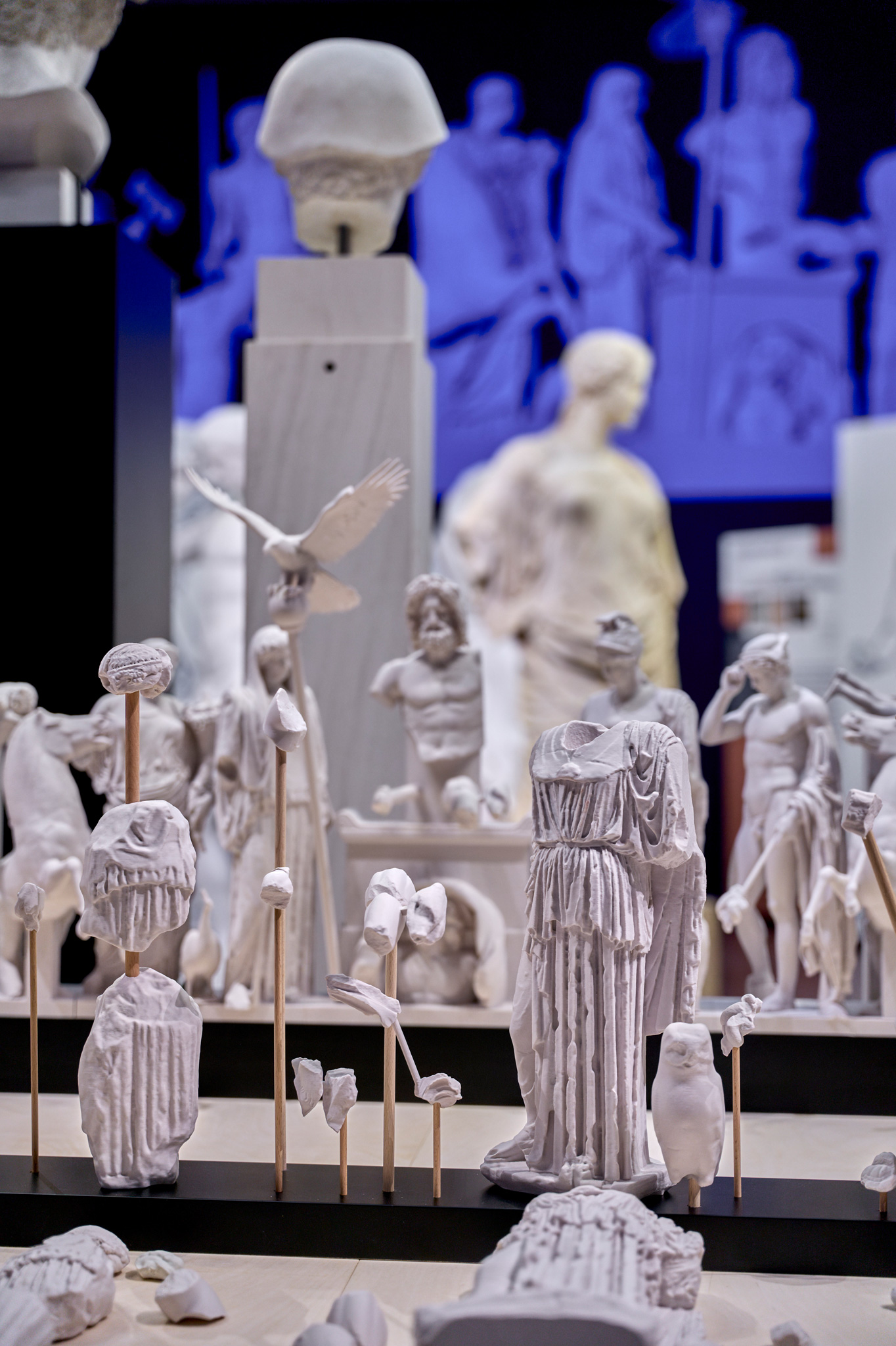
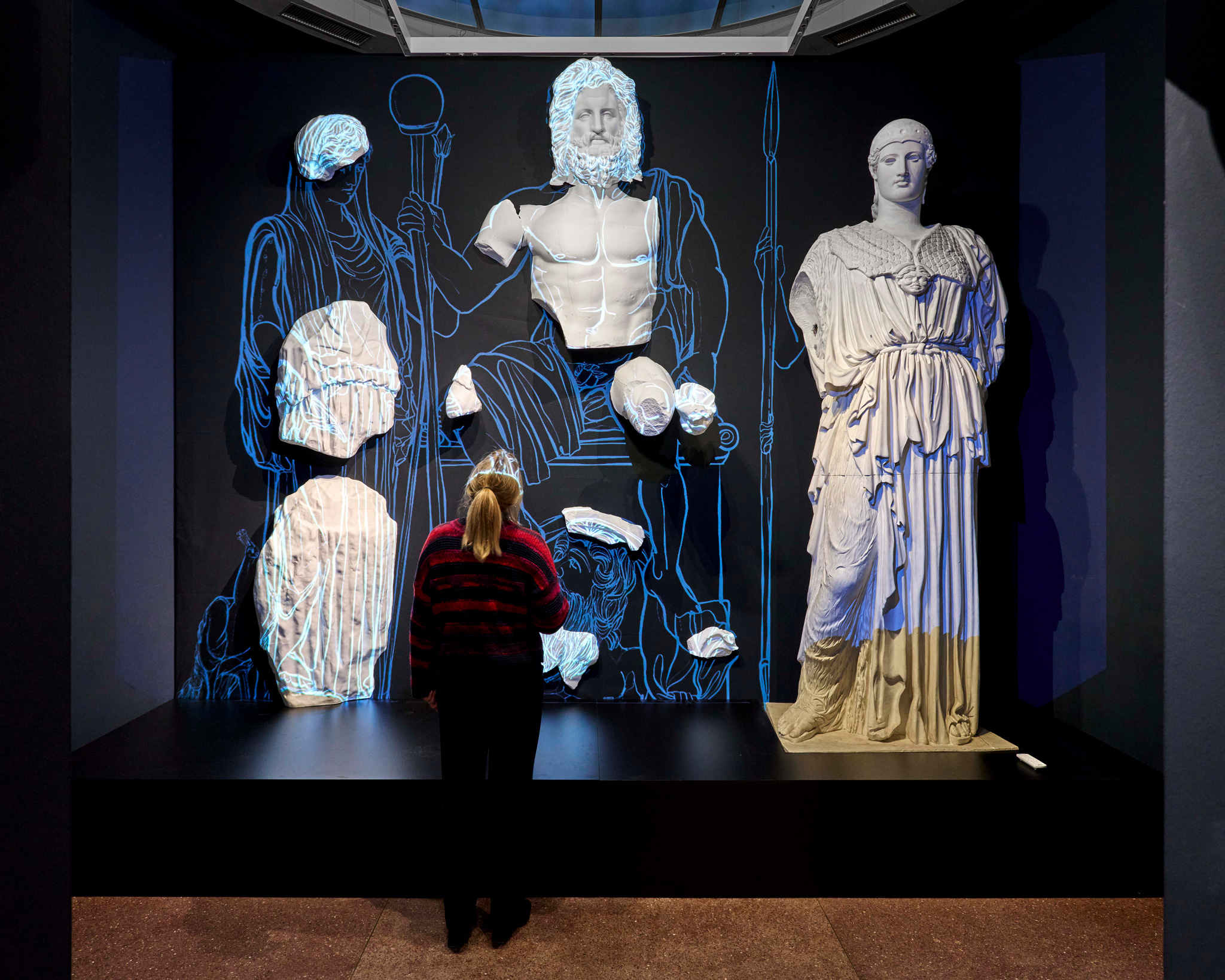
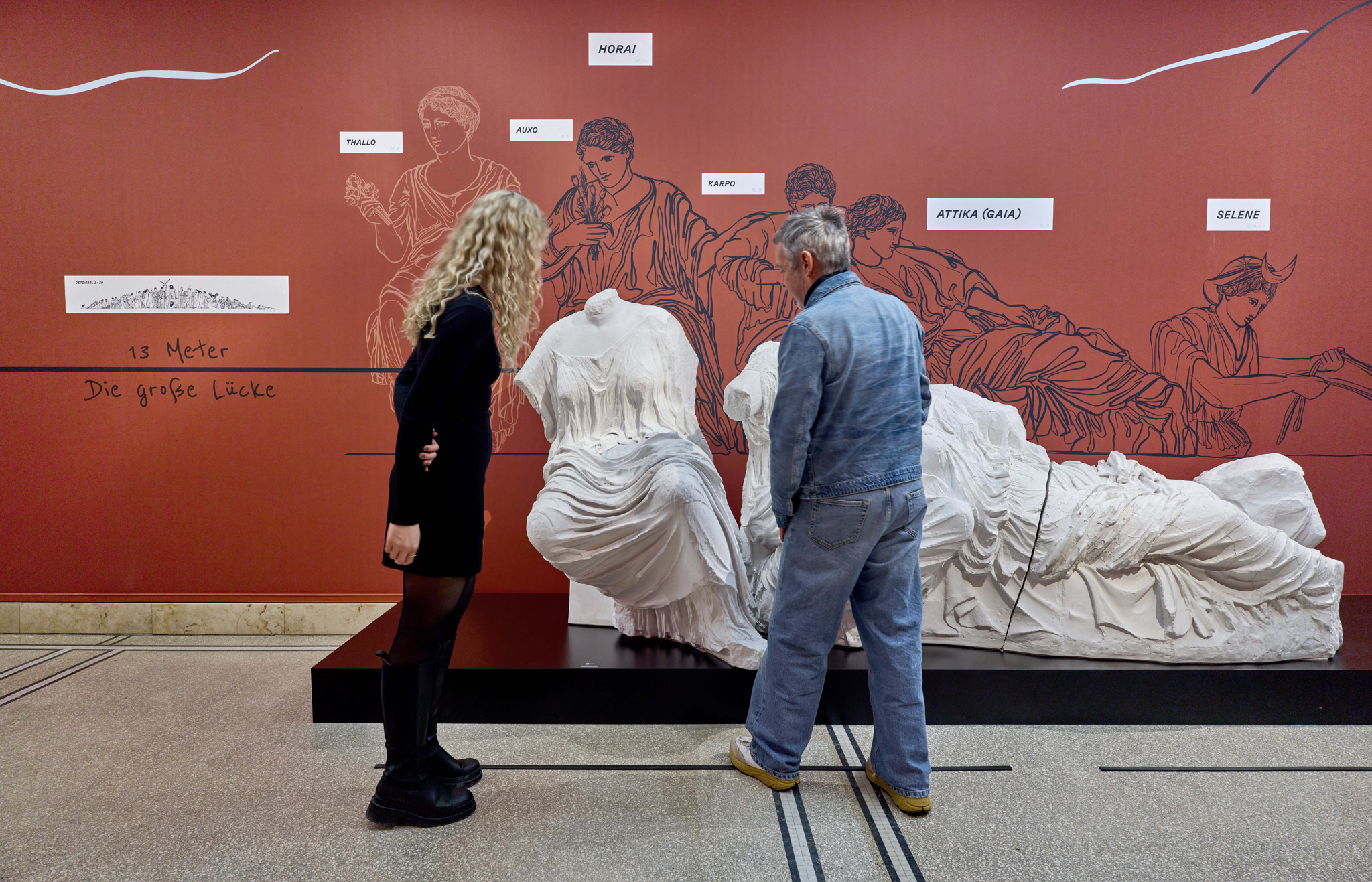
The research team led by Vinzenz Brinkmann, Head of the Department of Antiquities, has re-examined around sixty surviving fragments using 3D scans, assigned them to individual figures and cross-referenced them with ancient written sources as well as sculptures. This has resulted, for the first time, in a scientifically sound, comprehensive picture, down to the last detail, of the scene that once dominated the entrance to the Parthenon: the birth of the goddess Athena from the head of her father, Zeus.
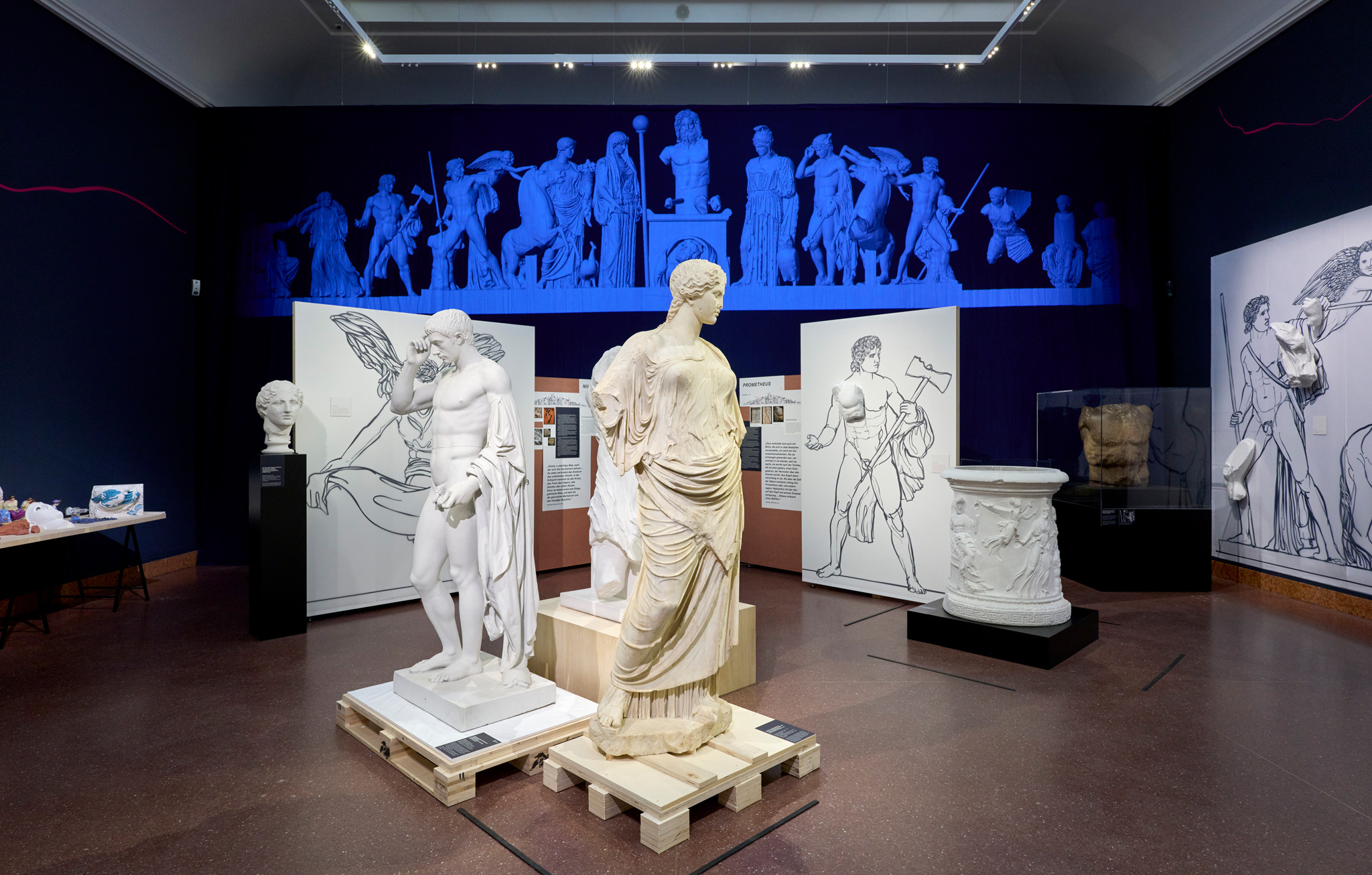
The approximately thirty-metres-wide east pediment originally comprised thirty-nine monumental marble sculptures up to three and a half metres in height. The Liebieghaus exhibition illustrates how Vinzenz Brinkmann’s team has reconstructed the lost sculptural ensemble from individual fragments, technical traces and historical pictorial sources. Three stages of reconstruction show the surviving remains, the newly established attributions and the resulting proposal for the composition of the east pediment. Particularly revealing are sculptures of which little or nothing survives today.
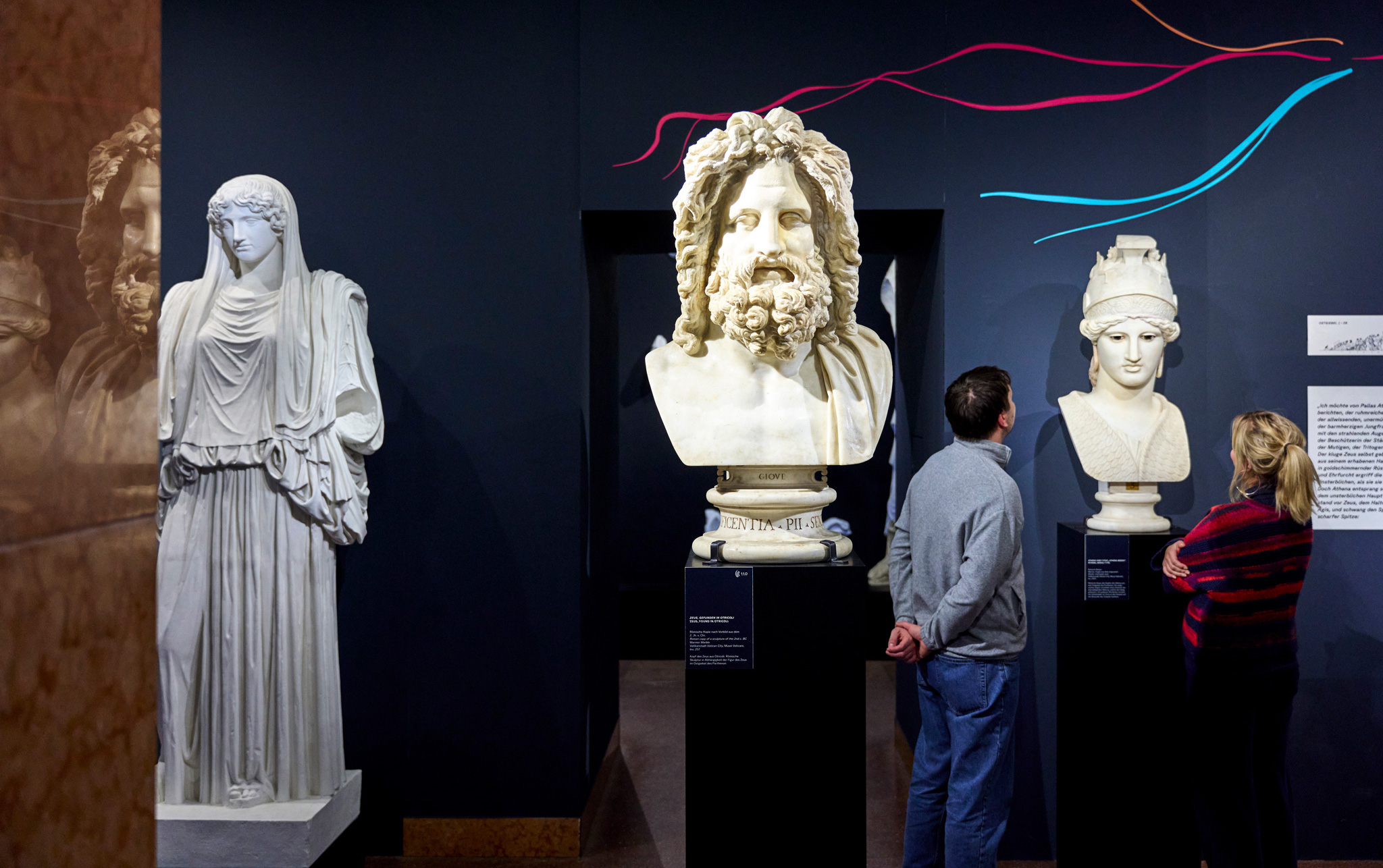
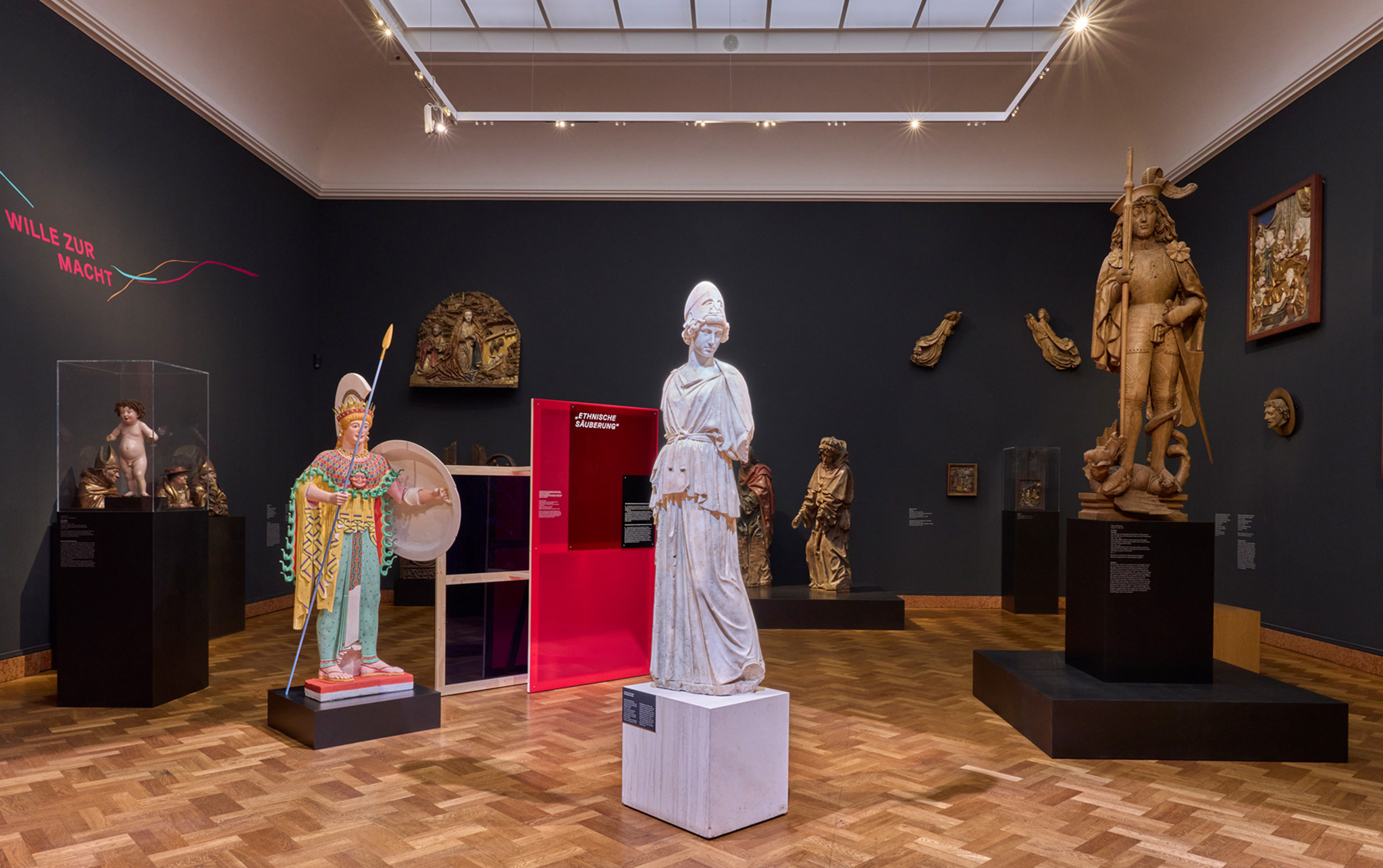
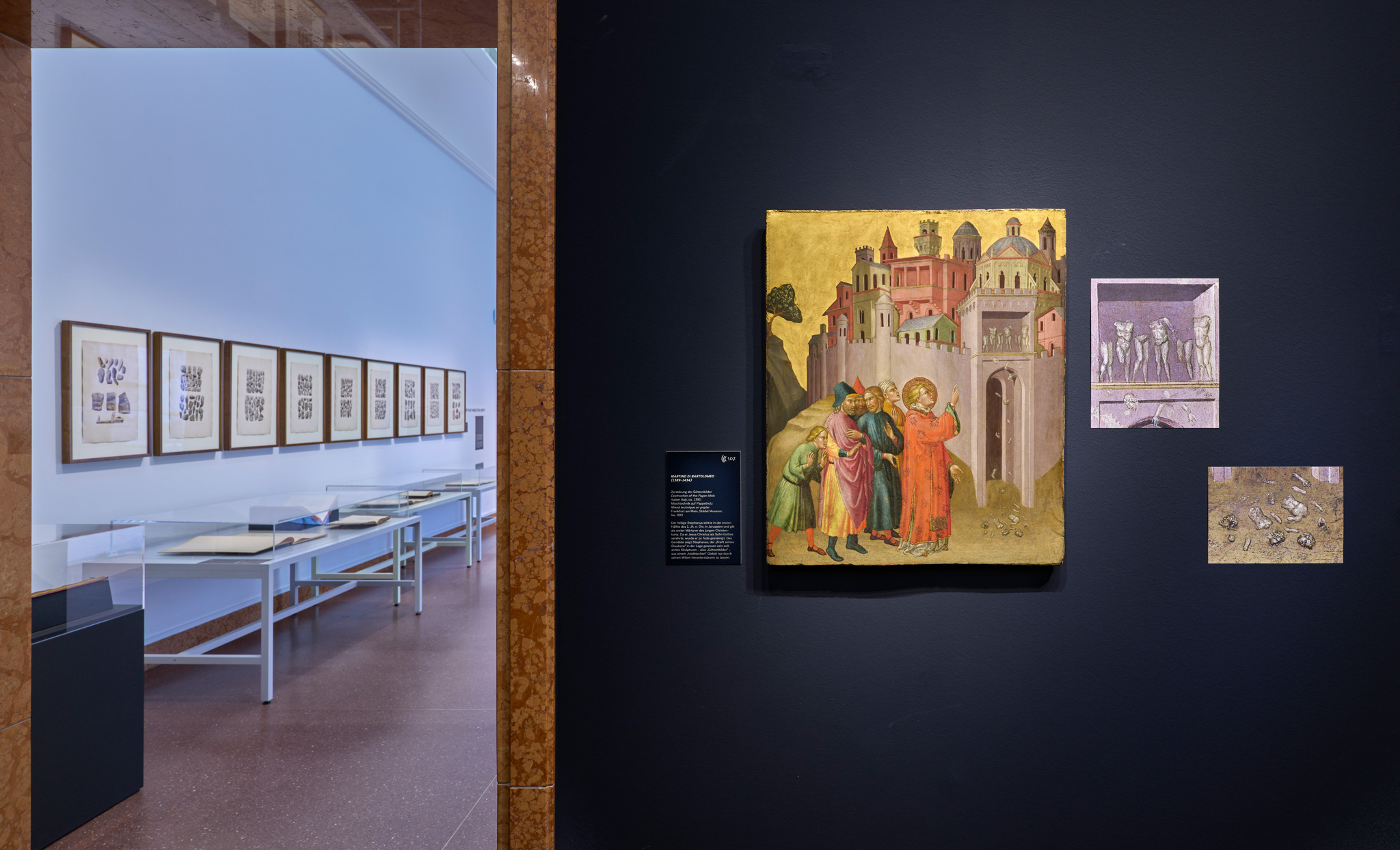
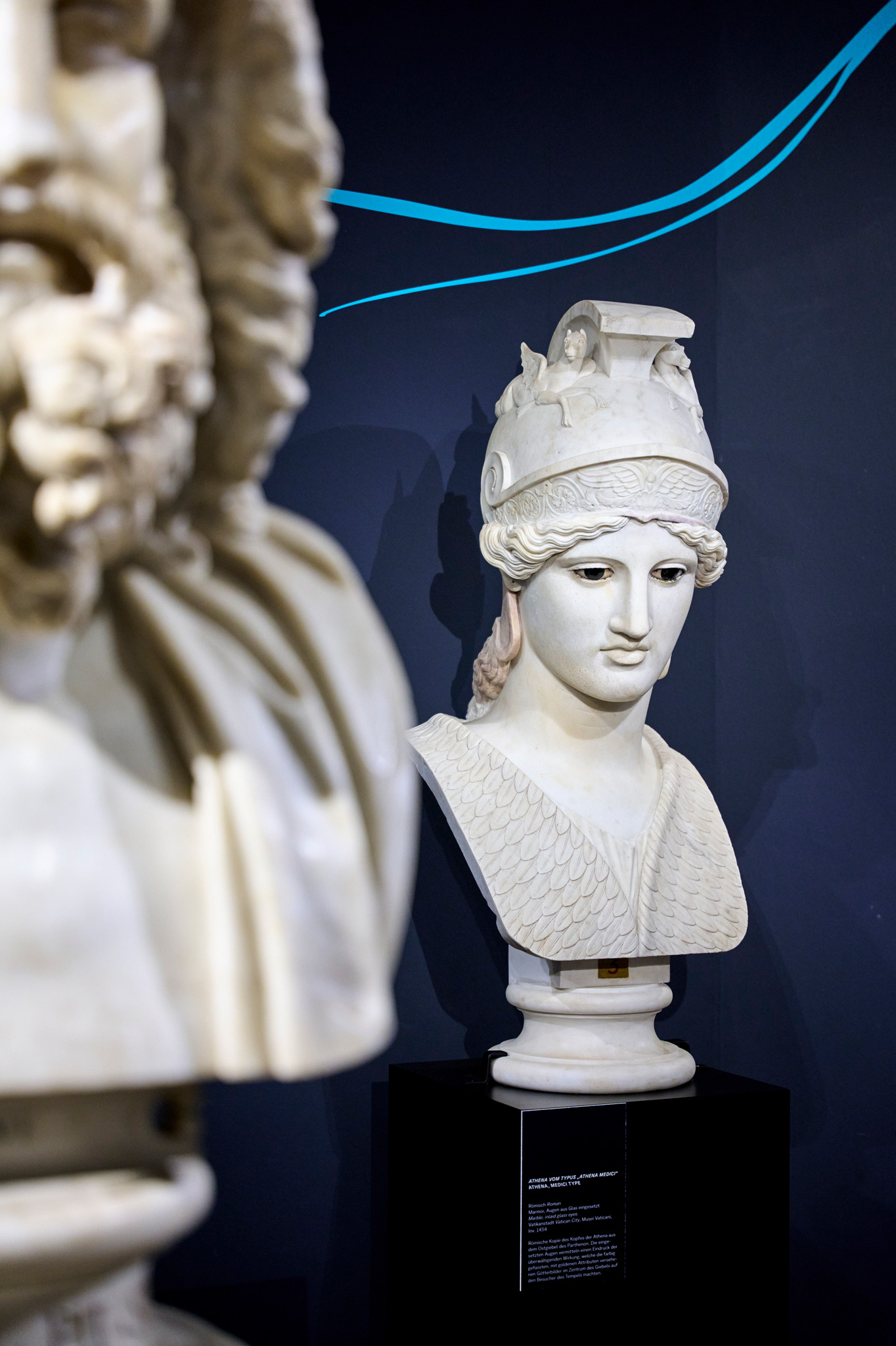
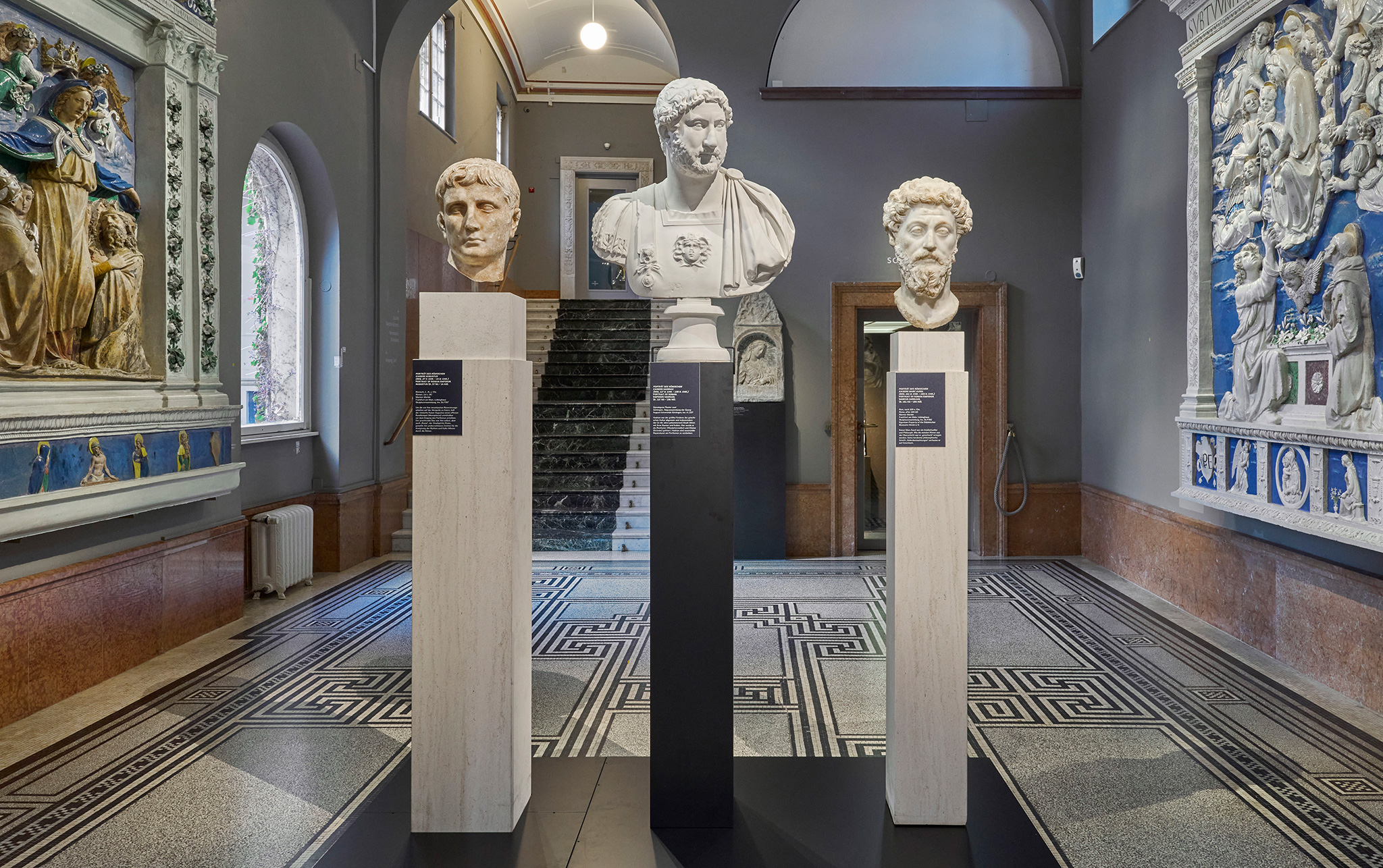
The exhibition brings this research process to life through selected works from the Liebieghaus Skulpturensammlung, as well as high-calibre loans from, among others, the Louvre in Paris and the Vatican Museums. A specially developed exhibition design guides visitors step by step through the reconstruction, linking the latest archaeological findings with the Parthenon’s approximately 200-year history of research.
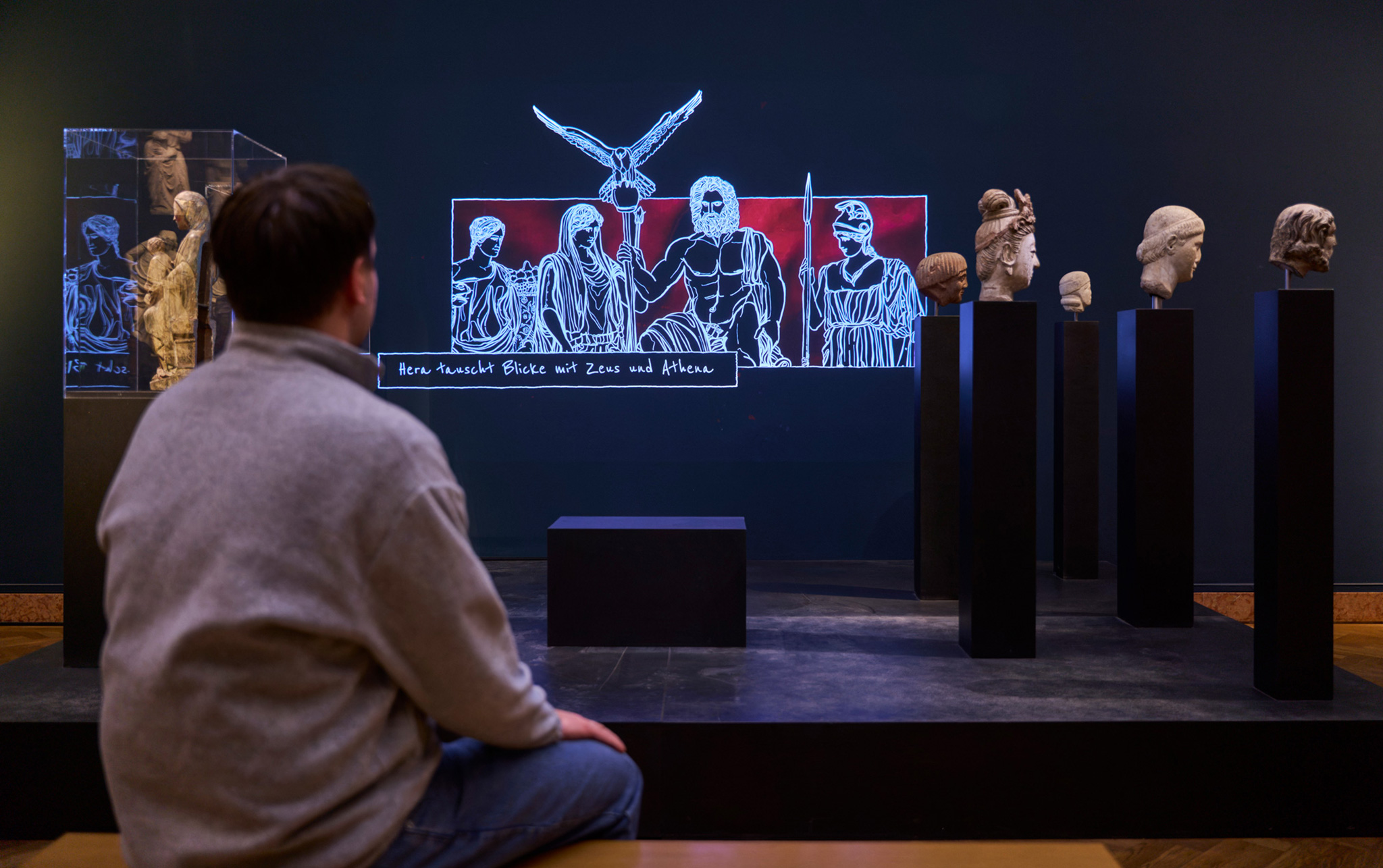
The highlight is an animation created especially for the exhibition, in which the figures from the east pediment come together once more to form a monumental scene, allowing visitors to experience the Parthenon’s lost pictorial programme in its entirety for the first time, based on the latest research.
Curator: Prof Dr Vinzenz Brinkmann (Head of the Department of Antiquities and Asia, Liebieghaus Skulpturensammlung) Project Manager: Jakob Salzmann (Curatorial Assistant, Department of Antiquities and Asia, Liebieghaus Skulpturensammlung
Sponsored by: City of Frankfurt am Main, Kulturfonds Frankfurt RheinMain gGmbH With further support from: Städelverein, Stiftung Elliniko Spiti - Griechisches Haus in Frankfurt am Main, Piraeus Bank